

Tinnitus Treatment
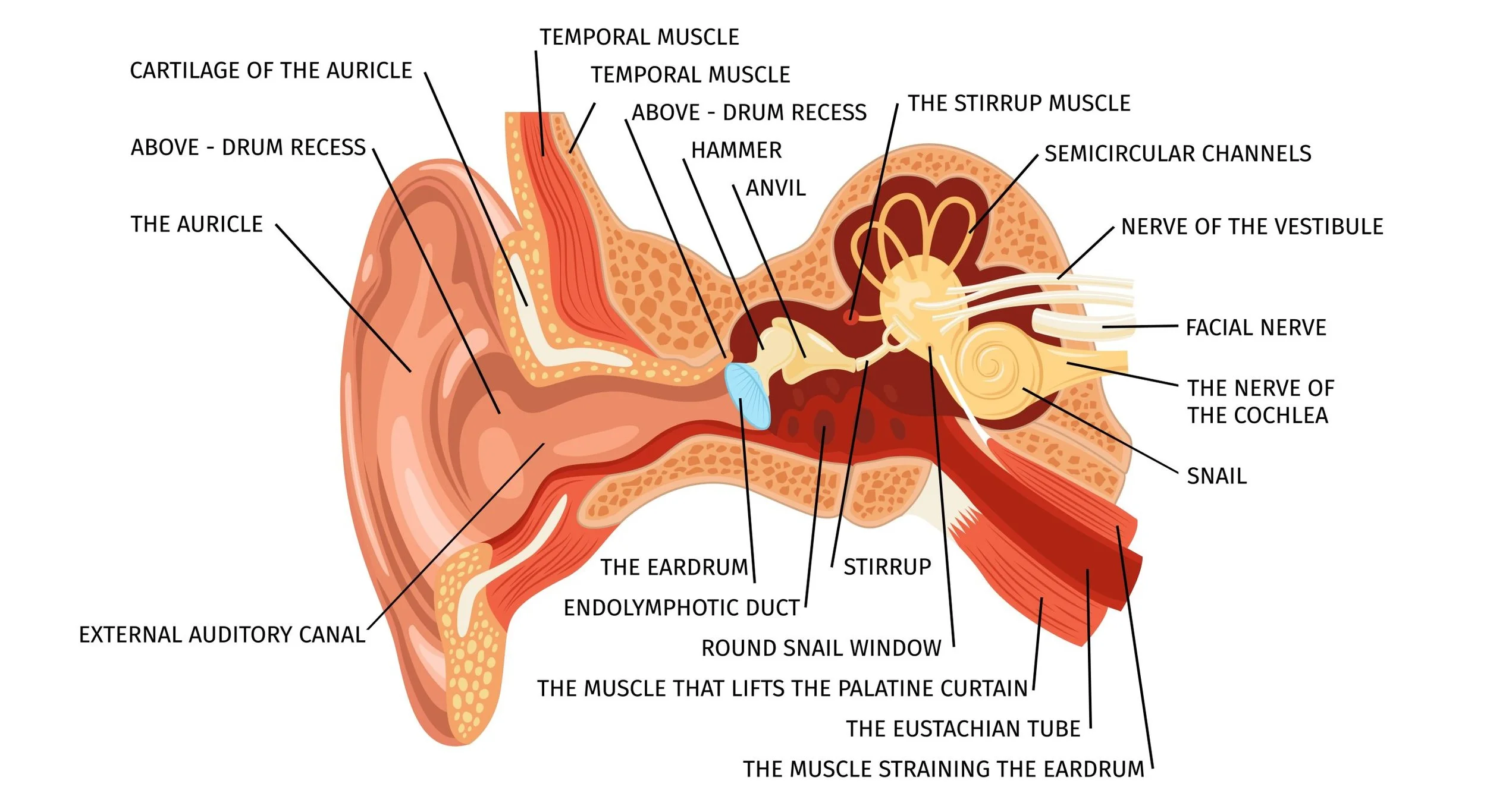
Understanding and Managing Tinnitus
That ringing, buzzing, or whooshing in your ears? That's tinnitus. It's incredibly common, often linked to hearing loss, and can range from mildly annoying to seriously disruptive. The good news is, there are ways to manage tinnitus and minimize its impact on your life.
What Causes Tinnitus?
-
Our hearing naturally changes as we get older, and this can trigger tinnitus.
-
Think concerts, power tools, etc. Those blasts of sound can damage delicate hearing cells.
-
Sometimes, tinnitus is a temporary side effect of certain medications.
-
Allergies, earwax buildup, even health conditions affecting blood flow can be involved

Tinnitus: More Than Just a Noise
Tinnitus comes in different types:
Subjective tinnitus: The most common type, only you hear it.
Objective tinnitus: This less common form can sometimes be detected by others, often as a rhythmic pulse.
Tinnitus isn't just annoying, it can be exhausting!
If it's interfering with your sleep, concentration, or ability to connect with others, it's time to take action.

Your Path to Tinnitus Relief
-
An audiologist will assess your hearing, explore potential causes, and work with you (and possibly other specialists) on a personalized management plan.
-
There's no one-size-fits-all solution, but here are some possibilities:
Medication: To address any underlying stress or anxiety contributing to tinnitus.
Sound Therapy: Devices that use gentle sounds to mask the tinnitus.
Hearing Aids: Often, better hearing means less noticeable tinnitus.
Lifestyle Changes: Managing stress, protecting your hearing, and healthy habits make a difference.
-
Seeking help is the first step toward finding relief. With the right strategies, you can learn to live more comfortably with tinnitus and reclaim your focus.
-
Tinnitus is common, and it's treatable.
Don't ignore it – if it's bothering you, get professional help.
Solutions are out there to help you live your best life, even with tinnitus.